
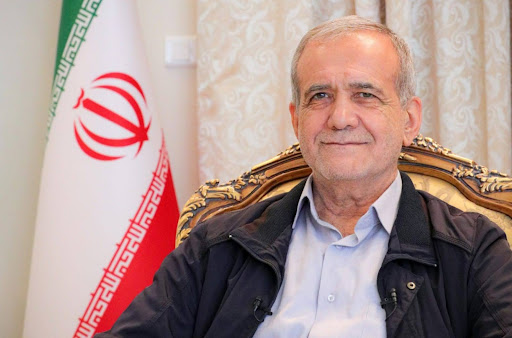
Iranian President Masoud Pezeshkian has signaled willingness to negotiate an end to the conflict while maintaining military pressure on Gulf nations that continue to host US and Israeli forces. His statement on X warned Gulf governments about the security consequences of hosting enemy operations, while his conversation with Pakistan’s Prime Minister Shehbaz Sharif emphasized trust as the pathway to peace. The dual message came as the war surpassed its first month.
Gulf countries including Saudi Arabia, the UAE, Kuwait, Qatar, and Oman have been entangled in the war through American military bases that have been used to strike Iran. Tehran has retaliated with strikes inside those countries, raising the conflict’s regional stakes significantly. Gulf governments are now navigating an extremely difficult dual pressure from both Washington and Tehran.
Pezeshkian confirmed that Iran does not engage in preemptive attacks and only retaliates when its economic or infrastructure assets are targeted. He maintained military pressure on Gulf states by warning that Iranian retaliation will continue as long as enemy operations are conducted from their soil. His simultaneous signal of diplomatic openness reflects a country seeking a negotiated exit from the conflict on acceptable terms.
Pakistan’s Prime Minister Sharif confirmed that Pezeshkian communicated the importance of trust as a foundational requirement for peace talks to proceed. Pakistan is hosting a major multilateral ministerial meeting in Islamabad with the foreign ministers of Saudi Arabia, Egypt, and Turkey to discuss de-escalation strategies. Iran has praised Pakistan’s constructive mediation and expressed cautious optimism about the diplomatic process.
Pakistan’s Ishaq Dar will lead the ministerial talks and arrange separate meetings with Prime Minister Sharif. The combination of military pressure and diplomatic openness characterizes Iran’s current approach to the conflict. The Islamabad meetings may be the critical moment when that diplomatic openness translates into a concrete framework for peace.