
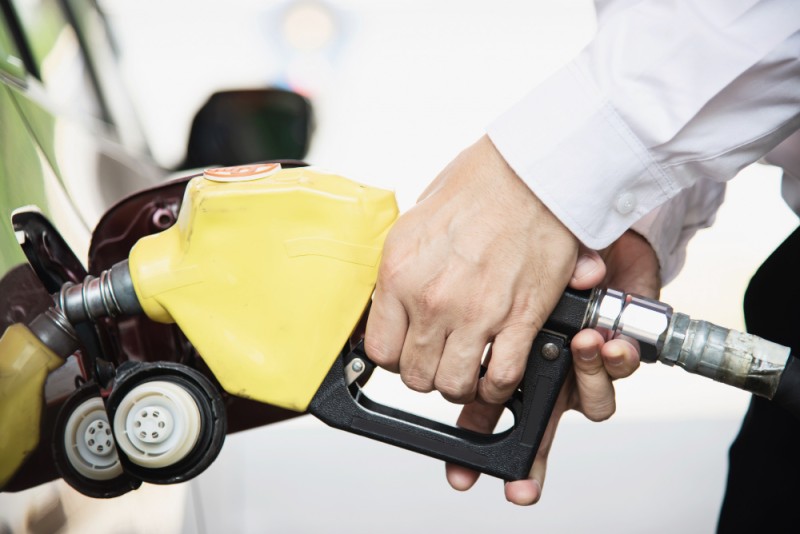
In a move that brings welcome relief to motorists, the United Arab Emirates has unveiled a notable reduction in fuel prices for July. After a period marked by increasing costs due to earlier disruptions in the global oil market, this decrease comes as a reprieve. The Fuel Price Committee has slashed prices across all categories, including Super 98, Special 95, E-Plus, and diesel, signaling the first monthly decrease since February. This change is a direct result of falling global crude oil prices as supply conditions in the region have improved.
As part of the adjustment, Super 98 petrol will now be priced at Dh3.40 per litre, a reduction from Dh3.95. Special 95 and E-Plus fuels have also seen reductions exceeding 50 fils per litre. Diesel has experienced the most significant cut, dropping by 73 fils to Dh3.60 per litre. These adjustments follow a decline in global oil prices seen in June, driven by the reduction of prolonged disruption fears regarding the strategic Strait of Hormuz and successful diplomatic interventions that have helped stabilize the geopolitical landscape. As a result, Brent crude prices have begun to return to levels observed before recent conflicts.
Despite the current fuel prices still being higher than at the start of the year, the adjustment for July lessens the financial burden on commuters and families. This change is expected to provide some economic relief amid the fluctuating fuel market. Industry analysts suggest that the future trajectory of fuel prices will largely depend on the stability of geopolitical tensions and the continued recovery of global oil supply chains.
The decision to cut prices reflects a more favorable global oil market environment, allowing UAE authorities to pass savings onto consumers. This measure is indicative of the ongoing efforts to balance domestic economic needs with the broader international energy landscape. As the situation continues to evolve, monitoring oil supply and geopolitical developments will be crucial in determining how fuel costs will be managed in upcoming months.