
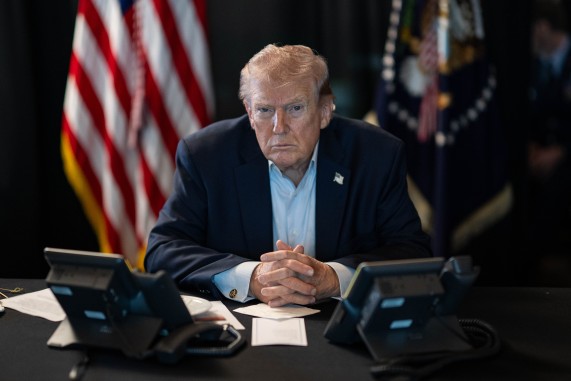
Amid growing tensions over digital services taxes in Europe, US President Donald Trump has issued a stern warning of potential trade repercussions. He has threatened to impose a 100% import tariff on goods from European countries that decide to implement taxes specifically targeting American technology giants. Trump’s comments highlight an escalating trade dispute as several European nations, including France, Spain, Italy, and the United Kingdom, consider or have already put in place such taxation measures.
The core of the dispute lies in the digital taxes aimed at large technology firms, which are perceived to earn considerable profits from local digital markets without corresponding tax contributions. These measures predominantly impact major US-based online platforms and search providers. European countries argue that the taxes are designed to ensure that all major companies, irrespective of their origin, contribute fairly to the tax systems in the markets where they operate.
Trump has made it clear that any country implementing these taxes would face immediate trade penalties from the United States. He emphasized that the proposed 100% tariffs would apply to all goods entering the US from these European nations, potentially affecting existing trade agreements. This move is seen as an attempt to protect American tech companies from what the US administration views as discriminatory fiscal policies.
In response to Trump’s threats, European officials have defended their digital tax initiatives, arguing that they are justified and necessary. They have cautioned that any retaliatory trade actions by the US could provoke a significant response from the European Union, potentially exacerbating already strained transatlantic trade relations. The EU has expressed its readiness to defend its member countries’ rights and interests should the US proceed with its tariff plans.
This confrontation over digital taxes comes at a delicate time as the US and EU continue negotiations on a broader trade agreement. Digital taxation remains a critical sticking point, with both sides striving to find a resolution to the ongoing tensions. The threat of tariffs adds yet another layer of complexity to the discussions, underscoring the challenges in reaching a consensus on digital economy regulations between Washington and European capitals.