
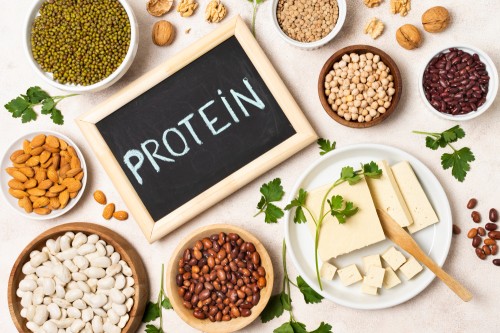
Protein plays a crucial role in the body, contributing to muscle development, tissue repair, immune function, and the health of skin, hair, and nails. Despite a common belief that protein intake is sufficient, many people may unknowingly suffer from a mild protein deficiency. This is particularly true for individuals who often skip meals, primarily consume refined carbohydrates, or adhere to restrictive dietary plans. Recognizing early indicators of protein deficiency can prompt necessary dietary adjustments before it impacts overall health.
One common sign of insufficient protein is persistent hunger and frequent cravings. If you find yourself constantly snacking or feeling hungry shortly after meals, your diet may lack adequate protein. This nutrient is vital for prolonging satiety by slowing digestion and aiding in the regulation of appetite hormones. Additionally, a gradual loss of strength in performing daily activities can result from inadequate protein, which is essential for maintaining muscle mass as it supports muscle repair.
Another indicator of low protein intake is persistent fatigue, even after a full night’s sleep. Protein is involved in energy production by providing amino acids critical for the creation of enzymes and hormones. Changes in hair, skin, and nails may also signal a deficiency. Insufficient protein can hinder the production of keratin and collagen, resulting in increased hair shedding, brittle nails, and dry or dull skin. Furthermore, a slower recovery from exercise or illness might suggest the need for more protein, as it facilitates tissue repair and recovery.
In some cases, low protein levels can cause mild fluid retention, leading to swelling in the feet, ankles, or lower legs. While persistent swelling should be assessed by a healthcare provider, frequent infections might also be a sign of protein deficiency, as protein is key to sustaining a robust immune system. When the body struggles to produce adequate antibodies, it becomes more susceptible to infections.
To address protein deficiency, incorporating a good source of protein into every meal is advisable. Excellent protein-rich foods include eggs, dairy products like milk and yoghurt, lean poultry, fish, soy products such as tofu, lentils, beans, chickpeas, nuts, and seeds. Combining protein with fibre-rich vegetables and healthy fats can enhance satiety and promote a balanced diet. For those with higher protein needs, such as athletes, older adults, busy professionals, or those recovering from illness or surgery, protein supplements may be beneficial. Whey protein is popular among many adults, while plant-based options like pea and rice protein blends cater to vegetarians or those avoiding dairy. By making minor changes in daily eating habits, individuals can significantly impact their energy levels, muscle health, recovery, and overall well-being.