
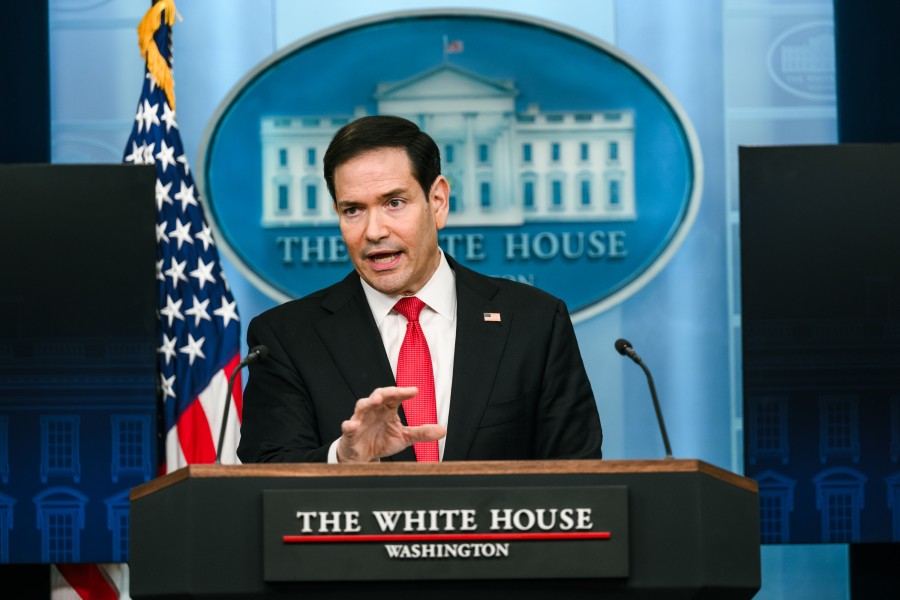
In a bid to address growing regional security concerns, US Secretary of State Marco Rubio has initiated discussions with Gulf allies regarding a potential $300 billion fund intended for Iran’s reconstruction. However, these talks have been met with apprehension from regional partners who fear that such financial support could inadvertently bolster Tehran’s military infrastructure.
Rubio’s diplomatic engagements have taken him to Abu Dhabi, where his discussions revolve around a recently brokered agreement designed to resolve the prolonged US-Israel conflict with Iran. He emphasized that the meetings with Gulf leaders would tackle lingering anxieties about the agreement, alongside other outstanding issues that remain unresolved.
The notion of a reconstruction fund has sparked considerable debate among US allies, particularly due to concerns that Iran may channel financial resources into enhancing its defense systems. Furthermore, Gulf states have voiced unease over the agreement’s failure to adequately address Iran’s ballistic missile program, a critical security concern for the region.
Countries like the United Arab Emirates and Kuwait, which have experienced threats during the conflict, have been vocal about their security apprehensions. Both nations, hosting key US military bases, have advocated for stronger assurances against potential future threats. Their security concerns underscore the complexities Rubio faces as he works to maintain support for the agreement while addressing the criticisms from regional allies and some US lawmakers.
Rubio’s mission underscores Washington’s efforts to solidify backing for the diplomatic agreement while navigating the cautious stance of Gulf leaders who, despite supporting conflict resolution efforts, remain wary of the deal’s specifics. The outcome of these talks could significantly impact regional dynamics and the broader geopolitical landscape.