
The United Arab Emirates is set to integrate artificial intelligence into its educational framework, a move approved by the UAE Cabinet to promote AI usage in both public and private schools. This initiative aims to equip students with essential knowledge about artificial intelligence, covering topics such as data handling, algorithm development, practical applications, as well as the ethical considerations and potential risks associated with AI technology. In tandem, the program seeks to enhance the capabilities of 22,000 educators by training them to incorporate AI in their teaching methodologies, assessment strategies, and curriculum planning.
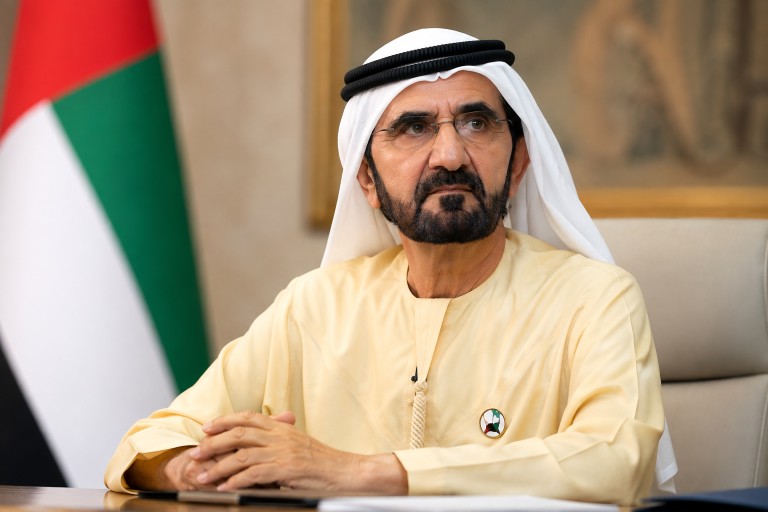
Sheikh Mohammed bin Rashid, the UAE Prime Minister and ruler of Dubai, emphasized the importance of continuous learning for teachers to adequately prepare students for the swiftly evolving future. Complementing the educational reforms, the Cabinet has also greenlit the creation of an AI advisory system. This innovative system is designed to assist government ministers by providing insights and recommendations on policy development, legislative reviews, and strategic planning, all aligned with the UAE’s national interests. The system employs 32 specialized AI assistants to evaluate proposals, examine their implications, and draw from global best practices.
In a related advancement in technology, the UAE Cabinet has laid down a regulatory framework for autonomous vehicles. This newly approved framework establishes guidelines for testing, inspecting, registering, and licensing self-driving cars, which aligns with the UAE’s broader environmental goals of enhancing sustainable transport options and mitigating traffic congestion. These regulations underscore the UAE’s commitment to fostering cleaner transportation solutions.
The country’s digital transformation journey has also been noteworthy, as evidenced by the completion of hundreds of millions of digital transactions through government services over the past year. Alongside these transactions, numerous digital transformation initiatives have been executed, marking significant progress in the nation’s quest to leverage technology for efficient governance.
Additionally, the Cabinet has sanctioned a National Ecotourism Policy and reviewed advancements under the National Strategy to Combat Desertification for the period 2022–2030. These initiatives are focused on safeguarding ecosystems, rehabilitating land, and preserving the region’s native plant species, reflecting the UAE’s dedication to environmental sustainability and biodiversity conservation.