
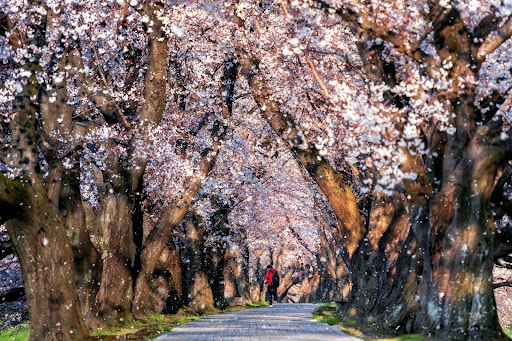
In the Kashmir Valley, the blooming of almond trees in gardens like Badamwari is a significant marker of the passage of time. This event is not merely a botanical curiosity but a deeply ingrained cultural milestone that signals the end of the “Chilla-i-Kalan” (the harshest 40 days of winter). It is a time of communal celebration and a return to outdoor public life.
The historic Mughal gardens of Srinagar provide a regal setting for these white and pink blossoms. Families often carry traditions where children play under the trees, attempting to catch falling petals for good luck. These simple acts of joy are a testament to the resilient spirit of the valley’s residents and their connection to the land.
Local stories and folklore often center around the blossom season, linking it to themes of renewal and historical legacy. Caretakers of the Mughal-era sites often recount how these gardens were designed specifically to highlight the spring awakening. The blossoms serve as a bridge between the valley’s royal past and its vibrant present.
Economically, the bloom attracts a surge of photographers and nature enthusiasts, providing a boost to the local hospitality sector. The sight of flowering trees near Dal Lake is a major draw for tourists who want to experience the “Switzerland of the East” in its most colorful phase. This influx of visitors is essential for the livelihoods of many Srinagar residents.
Protecting these gardens from the effects of climate change and urban development is a major focus for local heritage groups. Preserving the almond and cherry trees is seen as a way of safeguarding the very essence of Kashmiri culture. Each spring, the valley reaffirms its status as a premier destination for those seeking natural beauty.