
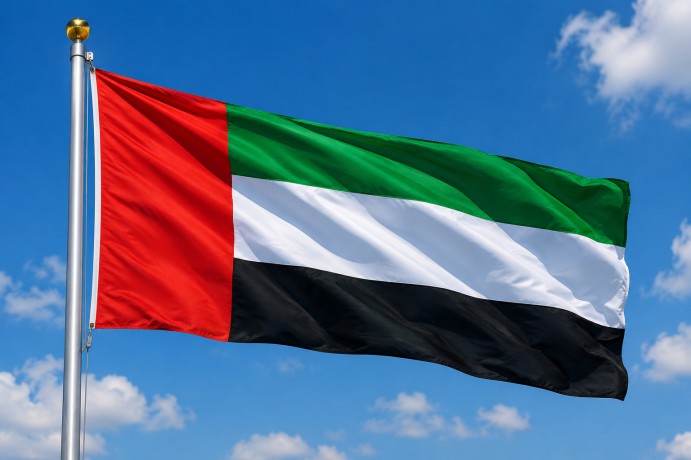
On Tuesday, residents of the United Arab Emirates were alerted to seek cover amidst reports of missile and drone activities in the region, attributed to Iran. The alert was issued by the country’s Ministry of Defence alongside the National Emergency Crisis and Disaster Management Authority (NCEMA) at approximately 6:30 a.m., advising inhabitants to find safe locations until further instructions were provided. Fortunately, shortly thereafter, an all-clear signal was communicated.
The NCEMA later provided clarification, stating that no missiles had breached UAE territory. The alert was a precautionary step, taken despite a low probability of any impact occurring. This cautious approach reflected a broader regional concern, as neighboring nations also responded to potential threats.
Qatar and Bahrain, in particular, were on high alert after successfully intercepting Iranian missiles. In Qatar, authorities confirmed injuries to three individuals, including a child, due to debris that fell during the incident. These events underscored the rising tensions in the Gulf region, demanding increased vigilance from neighboring countries.
The missile alert in the UAE comes amid escalating regional hostilities and growing unease about security in the Gulf. Iran’s recent assertion of having completely closed the Strait of Hormuz has exacerbated fears, particularly concerning potential disruptions to global oil and gas supplies. Such developments have intensified the fragile geopolitical climate, drawing international attention to the volatile dynamics in the area.